
Services
Physical Therapy
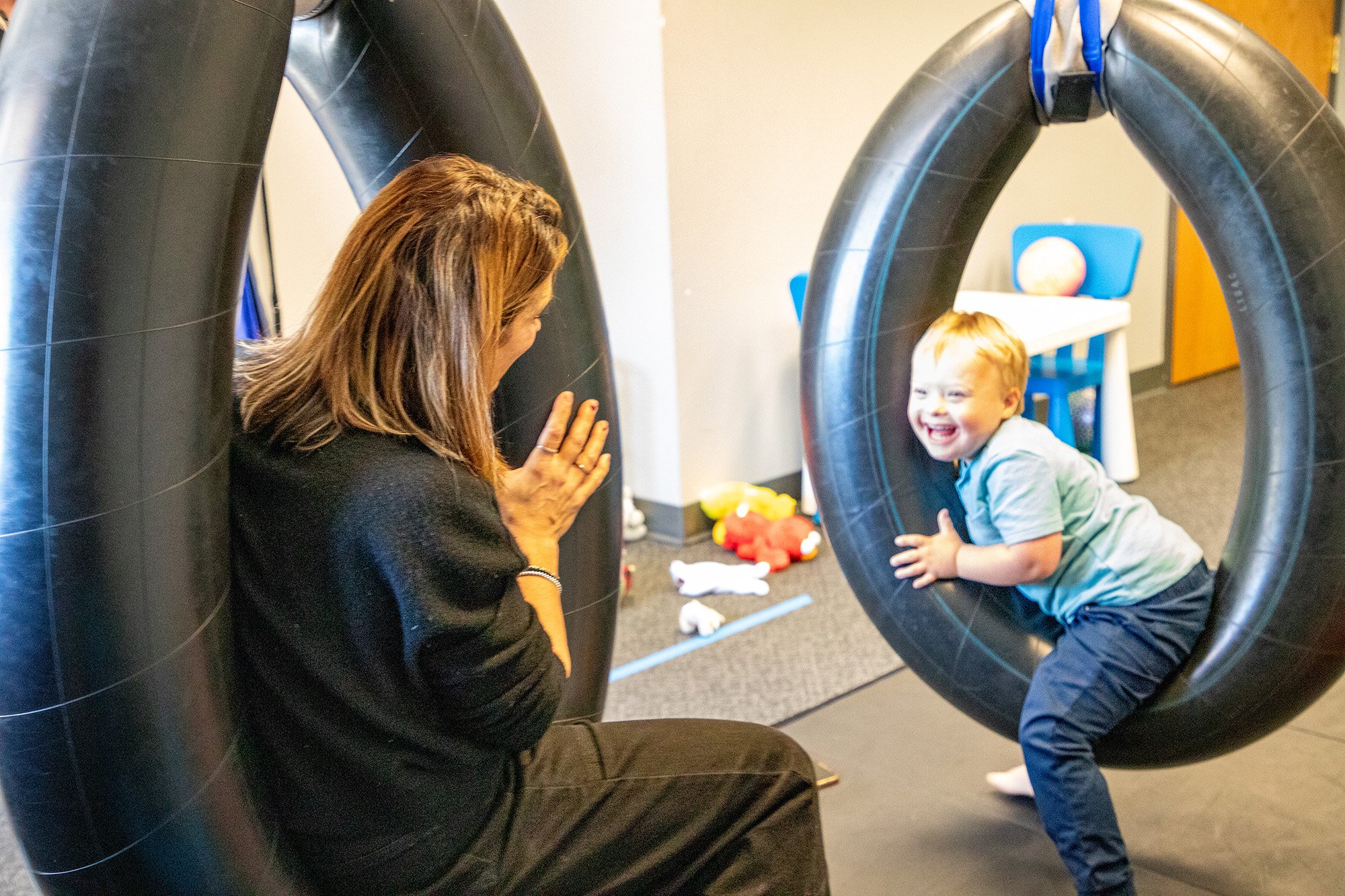
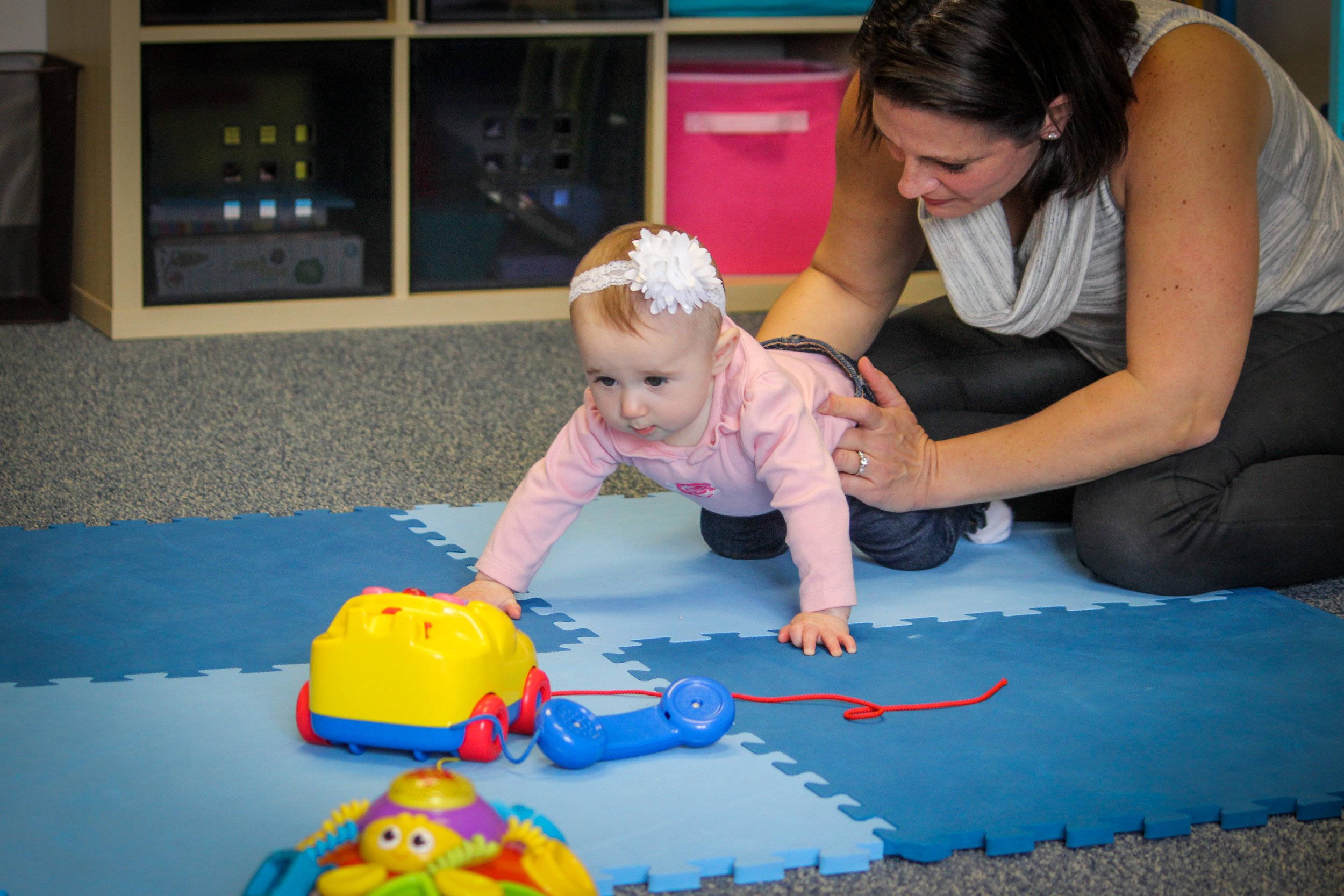
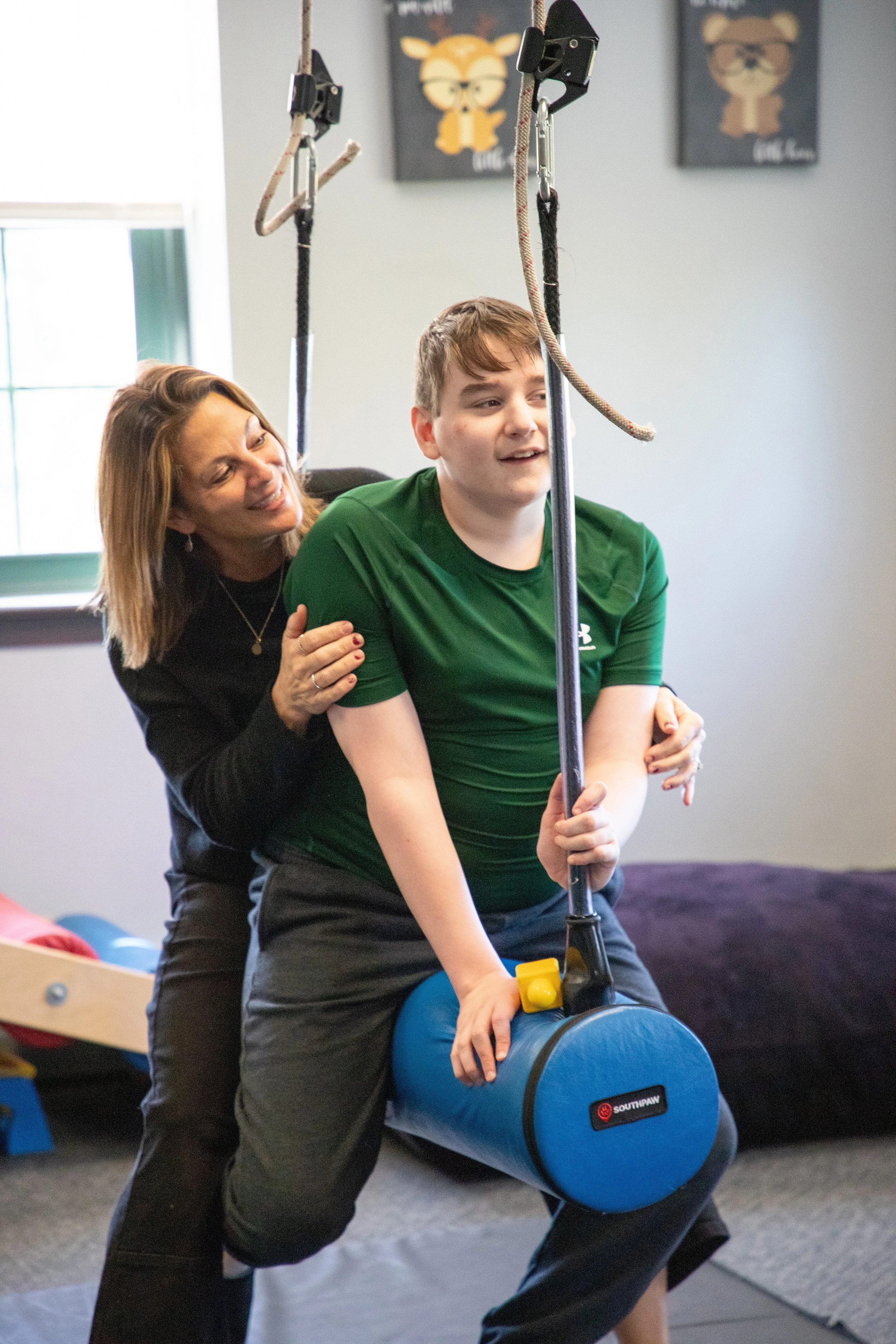
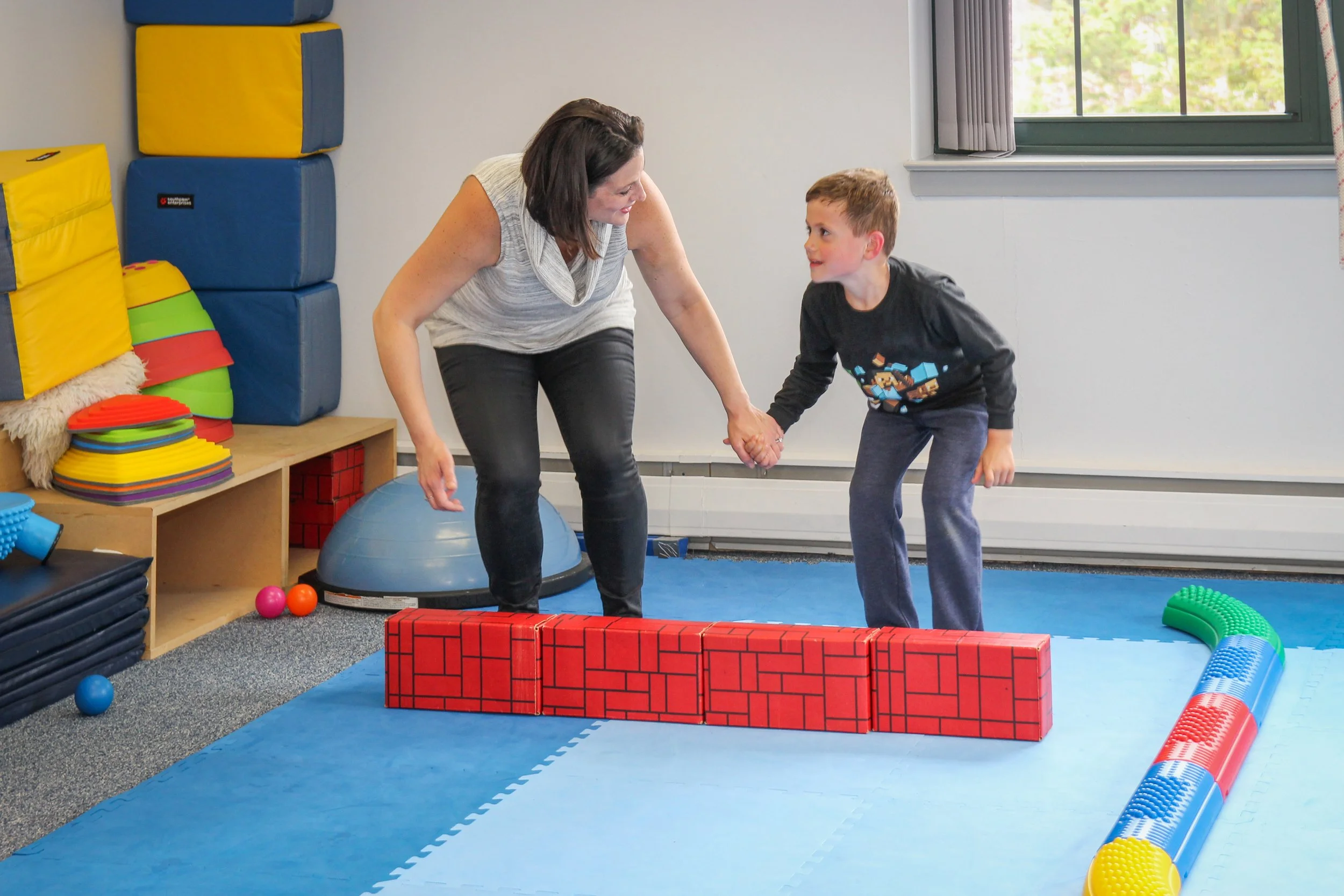
At Baby Steps Therapy, our pediatric physical therapy services are rooted in a neuro-developmental, sensory integrative, and DIRFloortime® frameworks. We use the concepts central to Affect Mediated Motor Development, developed by Mary Beth Crawford. We believe that the motor function provides the under-pinning for executive functioning and cognition. We begin with initial consultations that are strengths-based and comprehensive. We start by observing every aspect of a child’s development, from each sensory system, to their motor systems as well as their social and emotional capacity per the DIRFloortime® model. Each person receives a personalized treatment plan to address constrictions in motor systems, sensory systems, arousal states, and affectual/ emotional systems, with consideration of their impact on executive functions and attention. Our therapists use a wide range of techniques to promote body awareness, strength, coordination, balance, motor planning and motor learning. In partnership with families, we aim to support each child’s unique developmental trajectory—helping them explore movement, build confidence, and reach developmental milestones in a fun, playful, and respectful environment.
Occupational Therapy
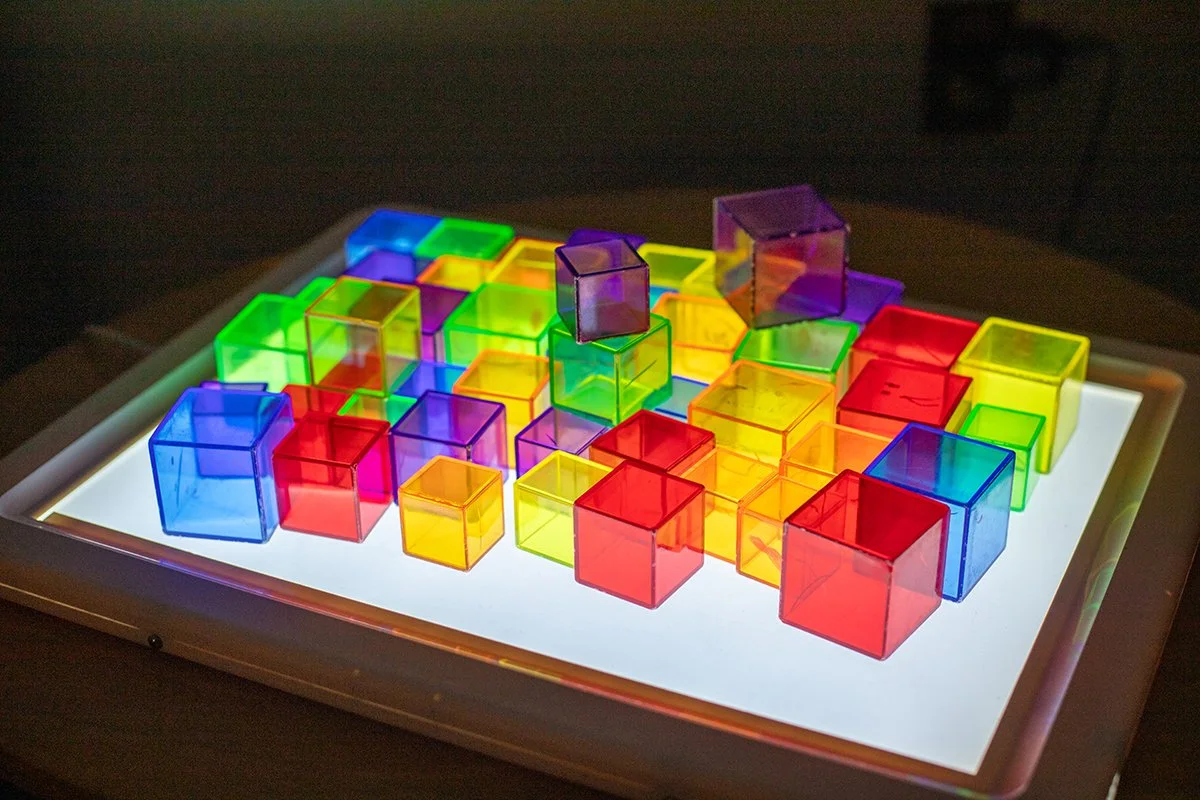
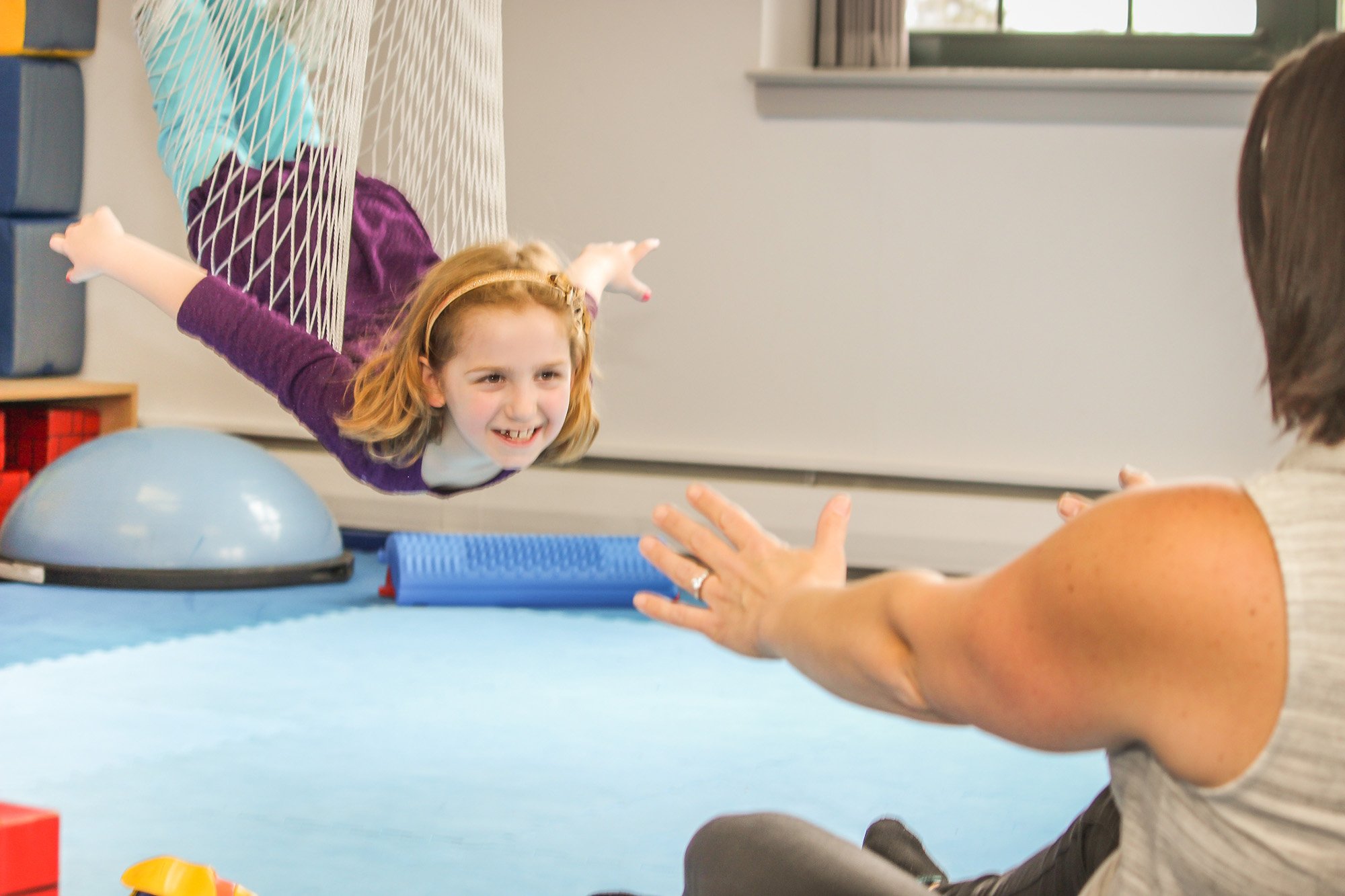
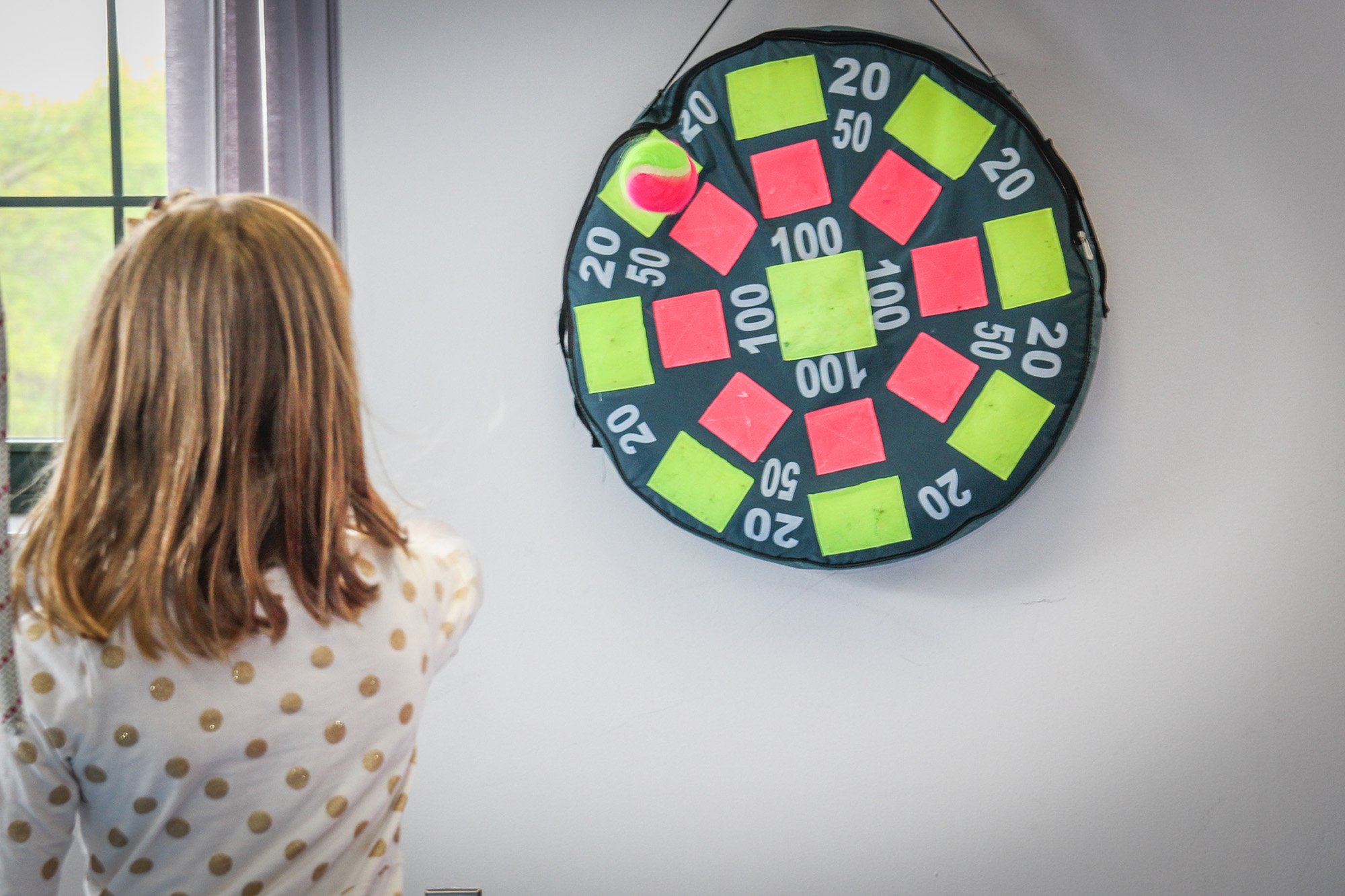
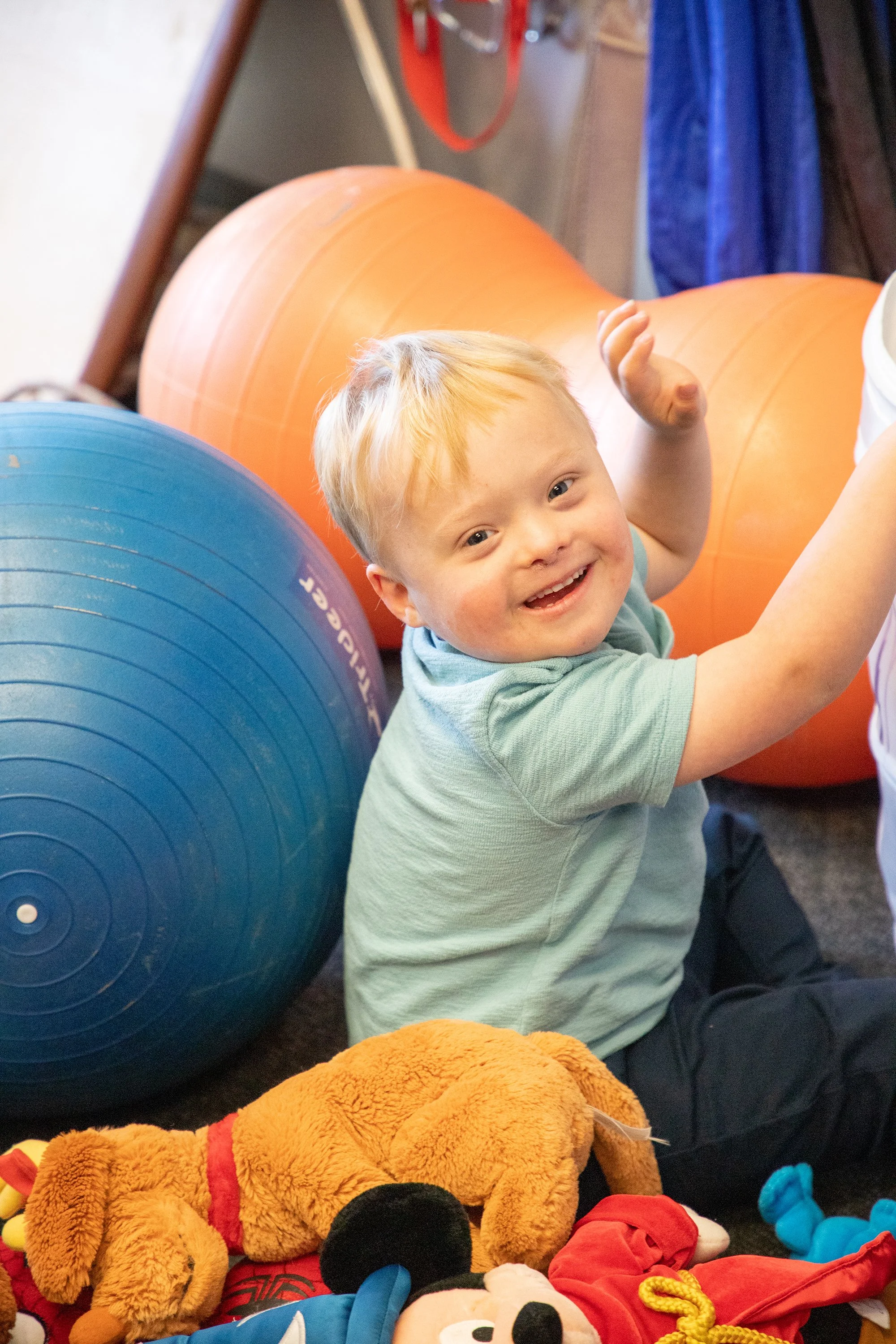
Baby Steps’ occupational therapy is tailored to children’s everyday lives—focusing on the fine motor, sensory, self-care, and perceptual skills that allow them to actively engage in play, learning, and daily routines. Through a strengths-based, relationship-centered model, our therapists assess and address sensory processing differences, motor planning challenges and independent task performance. Incorporating DIRFloortime® and other integrative techniques, we support children in self-regulation, problem solving, and participation in meaningful activities. We also equip caregivers with strategies to embed practice into daily routines, so growth continues beyond the therapy room.
Speech Therapy
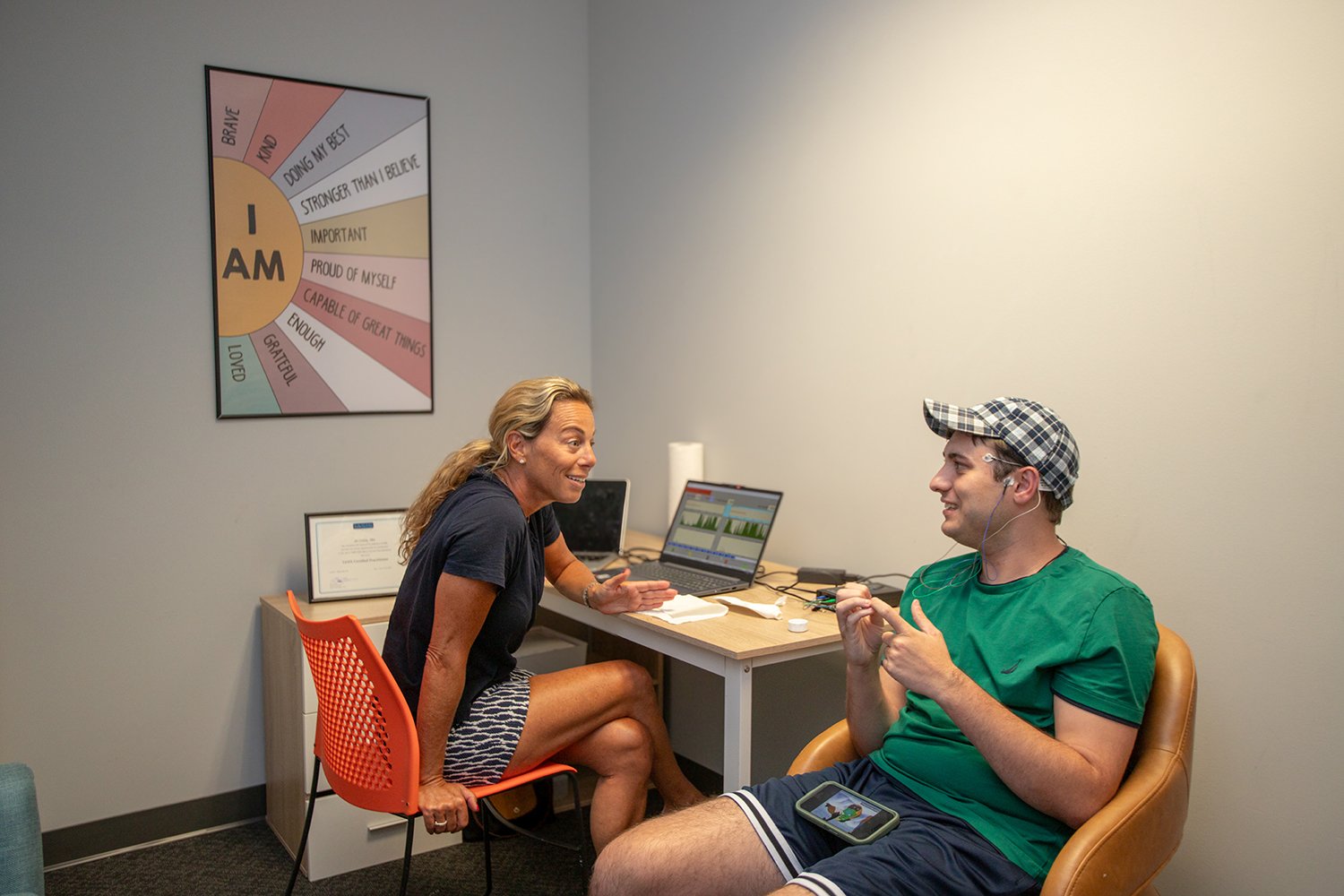
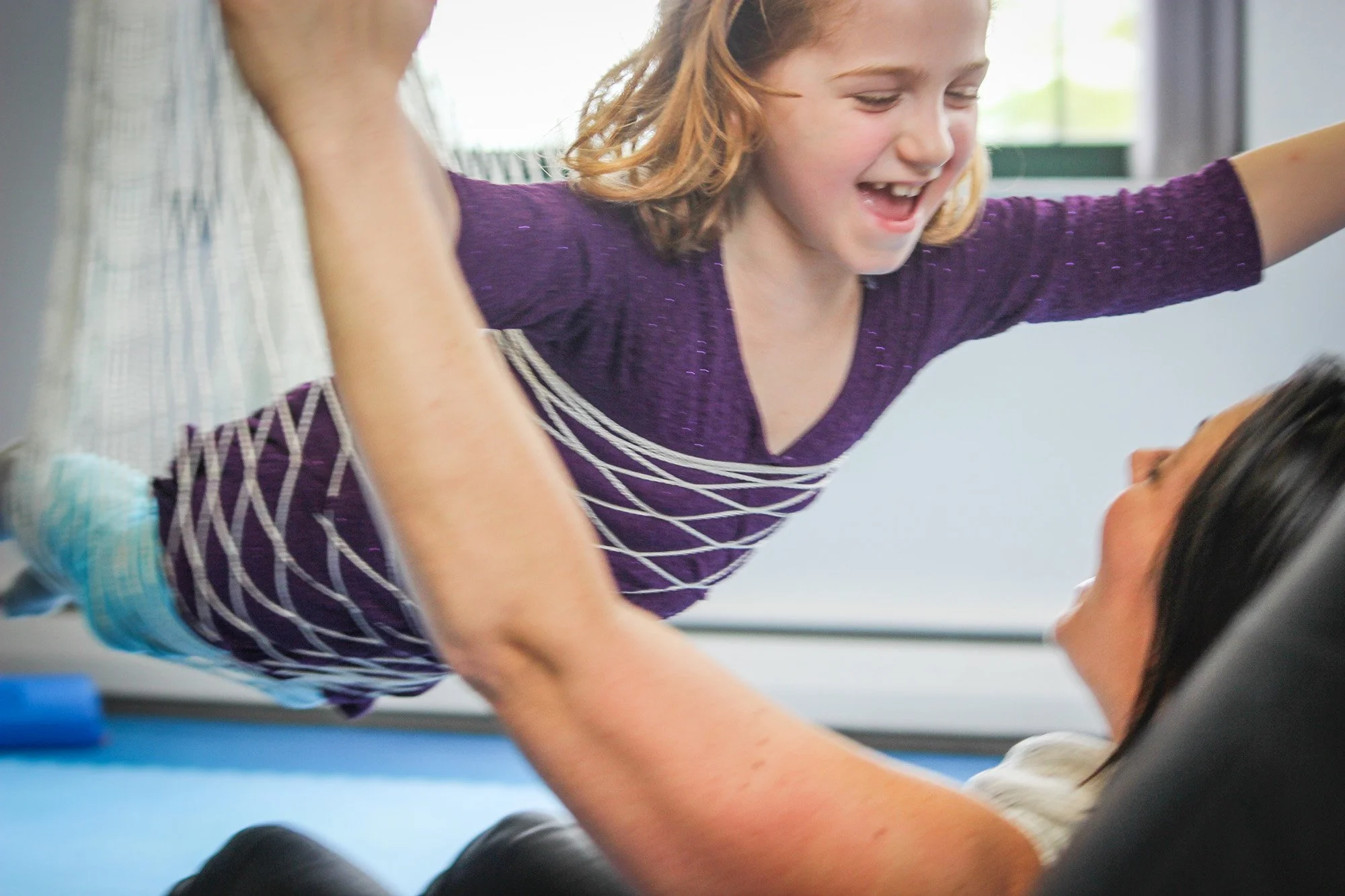
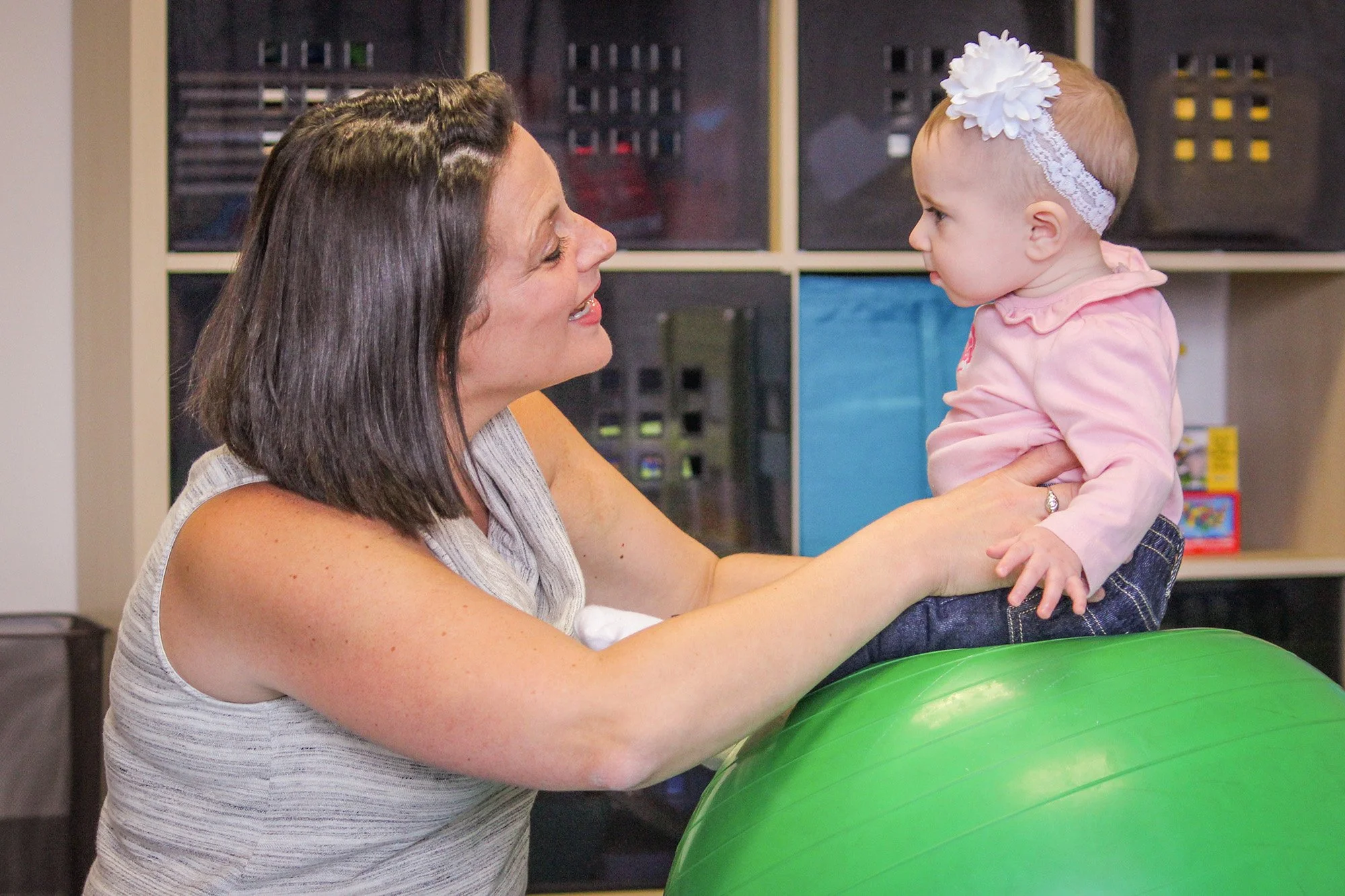
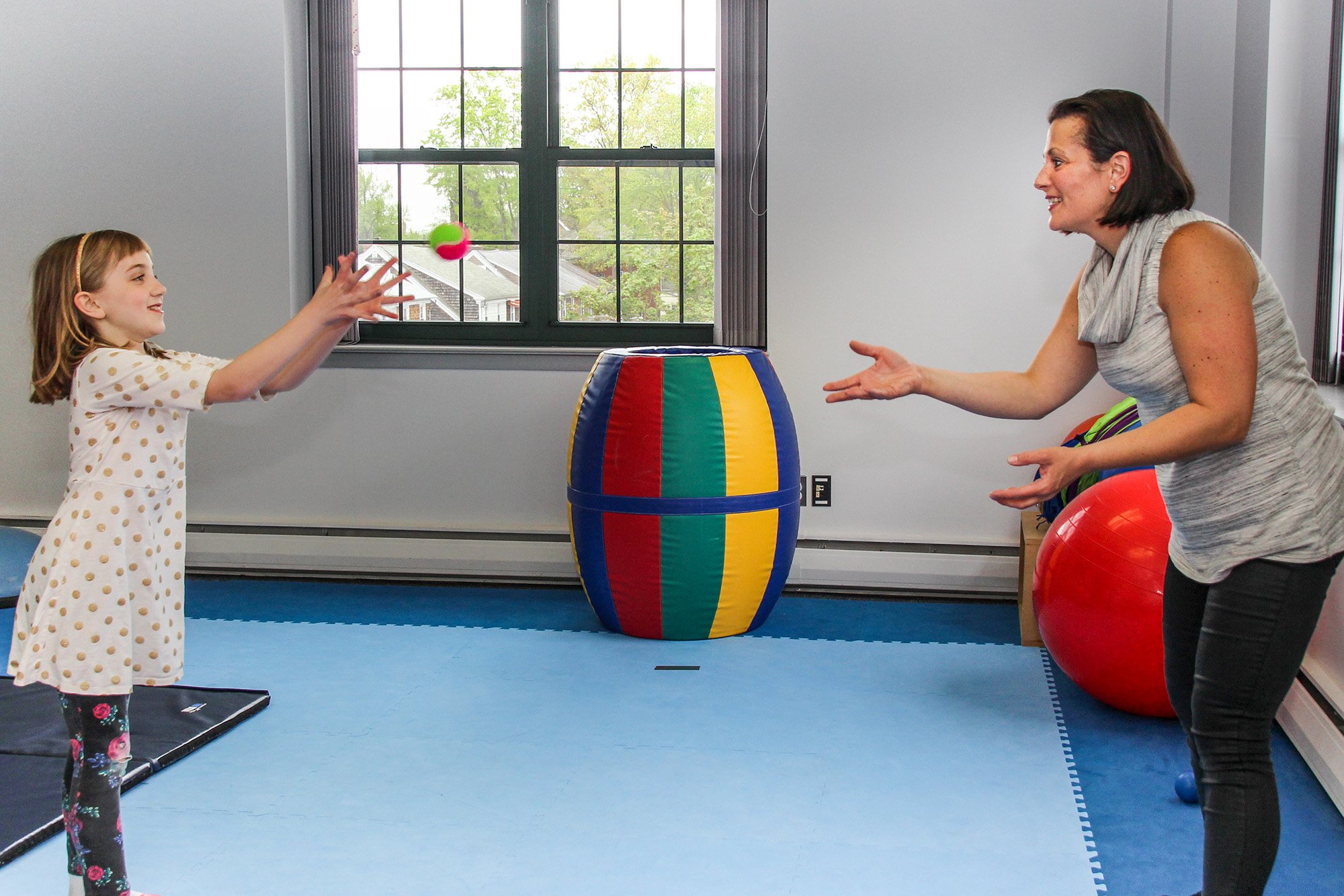
Our speech therapy at Baby Steps emphasizes a developmental, relational, and holistic approach to communication. Beginning with a thorough understanding of expressive and receptive language, speech and language production, emotional signaling/pragmatics, and narrative skills, our therapists develop individualized plans that respect each child’s pace and profile. We integrate PROMPT, DIRFloortime®, and evidence-based language intervention to nurture reciprocity, back and forth communication, sound development, sentence building, social communication, and storytelling. Through play, gesture, Augmentative and Alternative Communication (AAC), shared experiences, and guided interactions, we work to build confident communicators—and we partner closely with families to reinforce language learning in everyday life.
Social Motor Skills Groups and Dyads
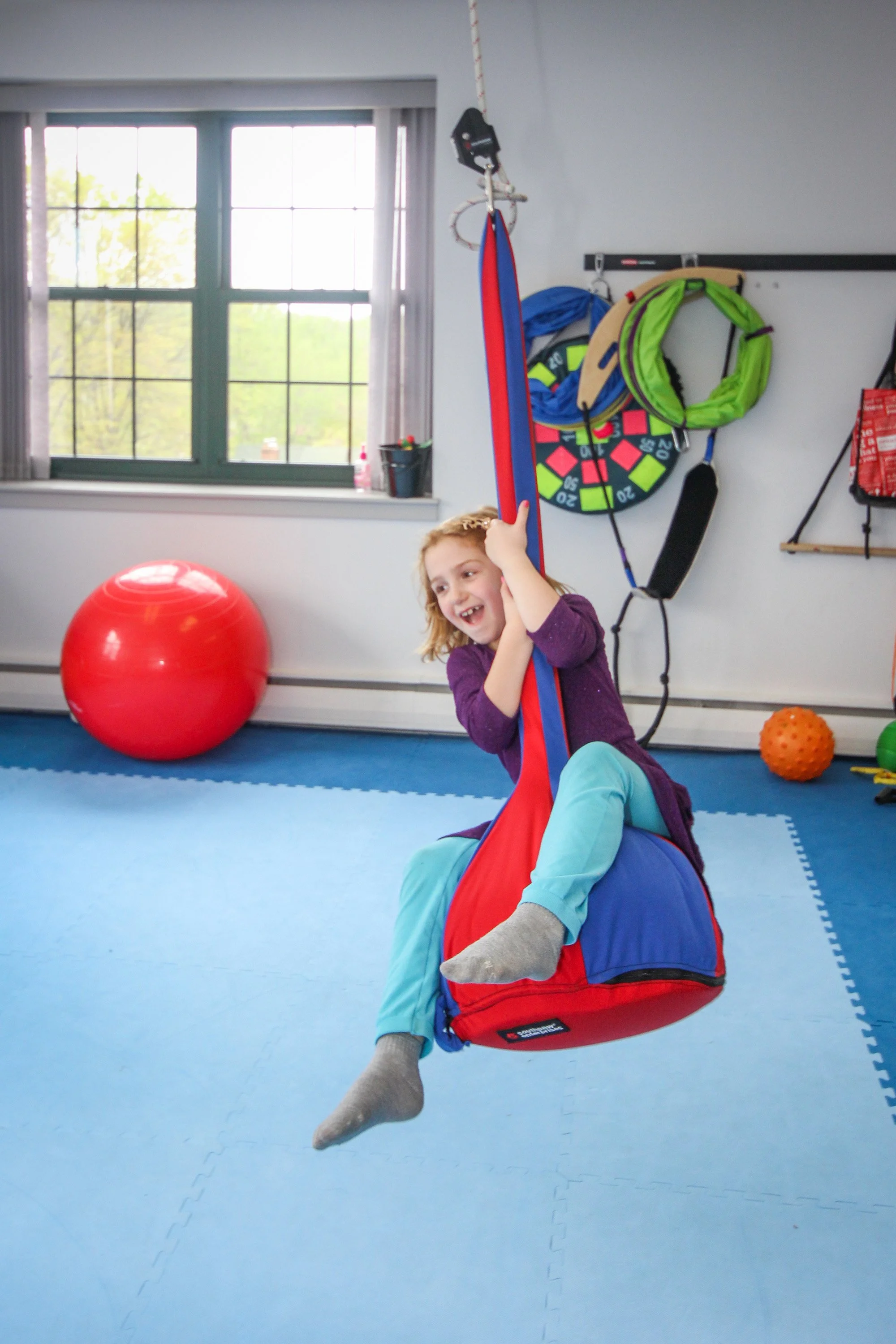
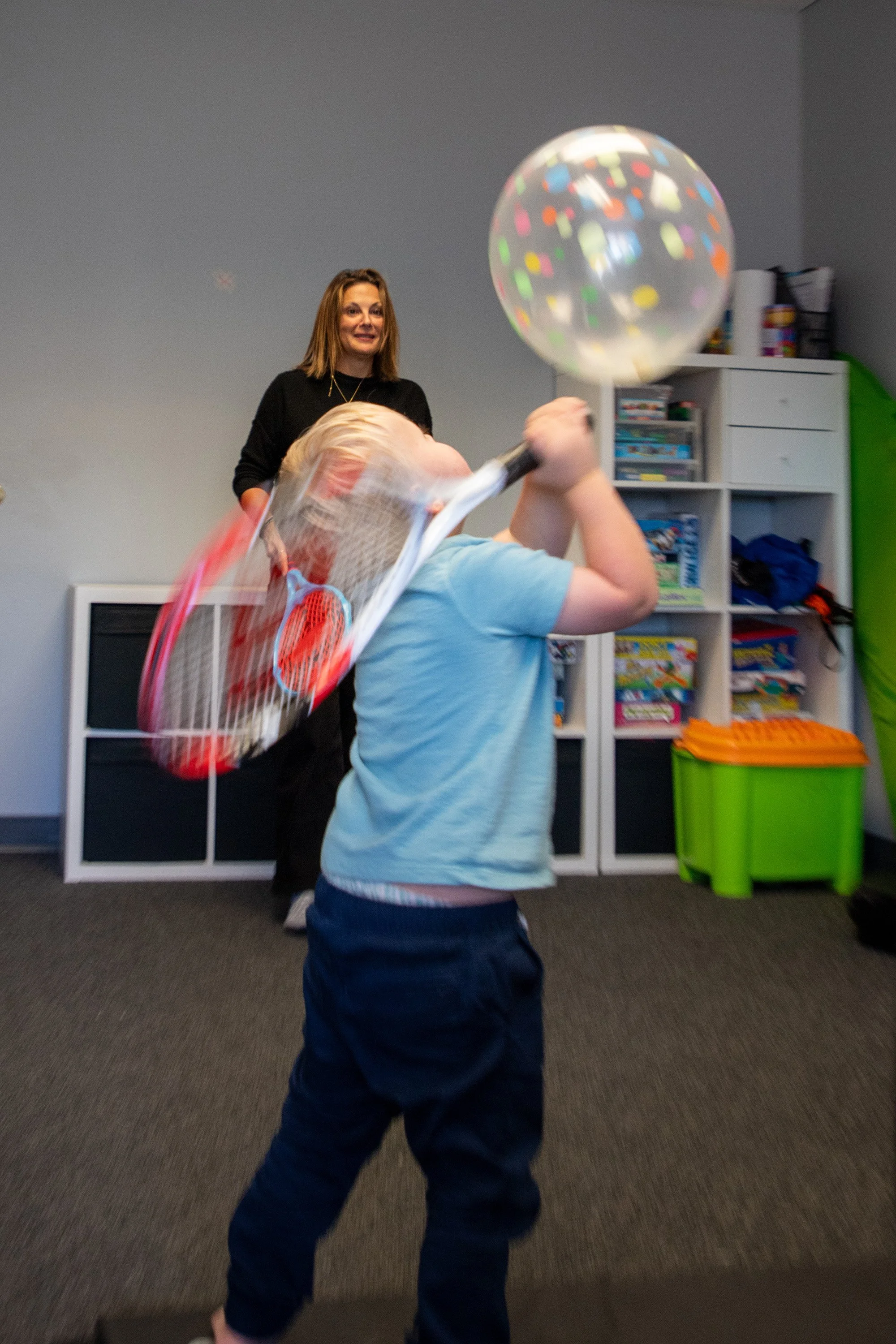
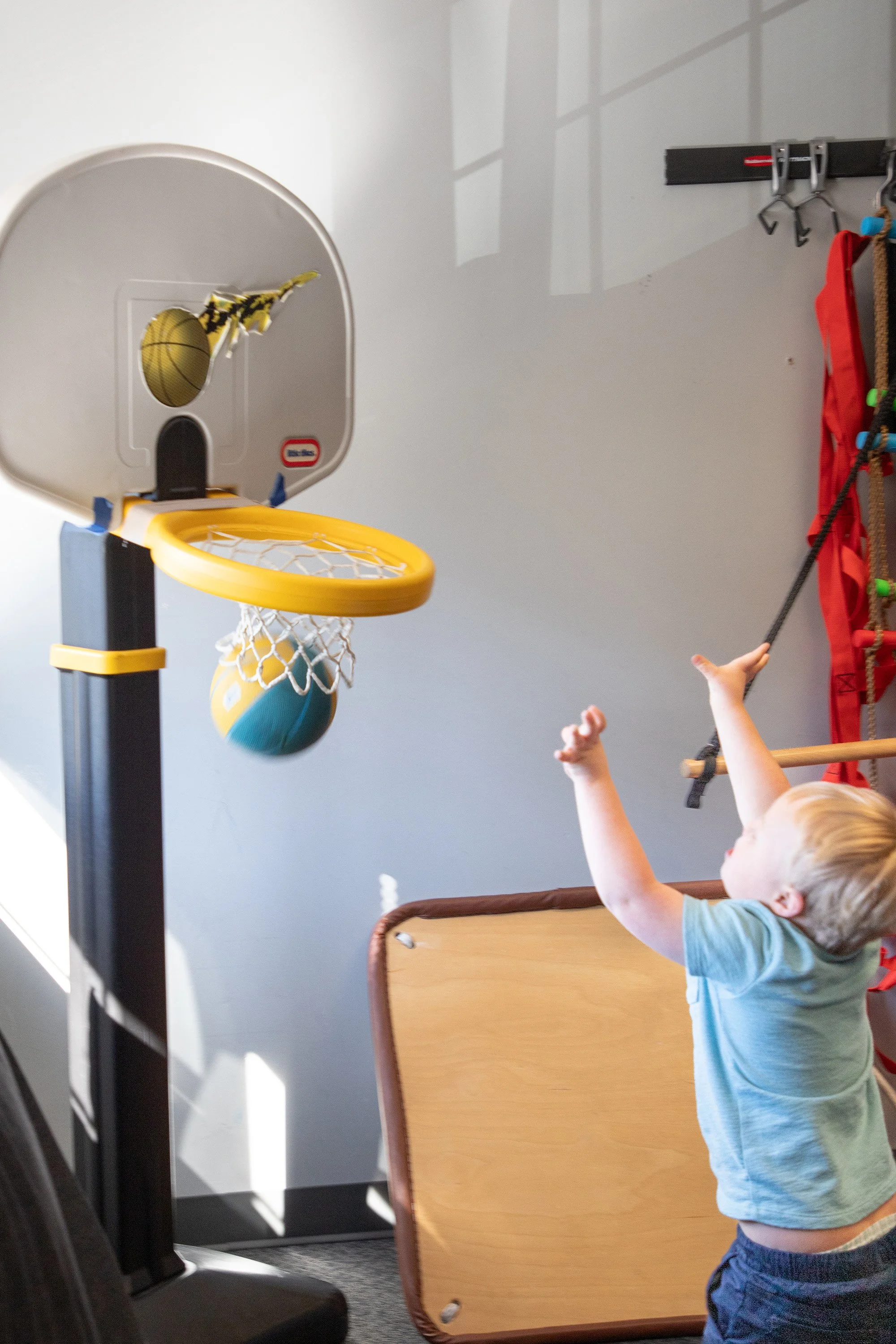
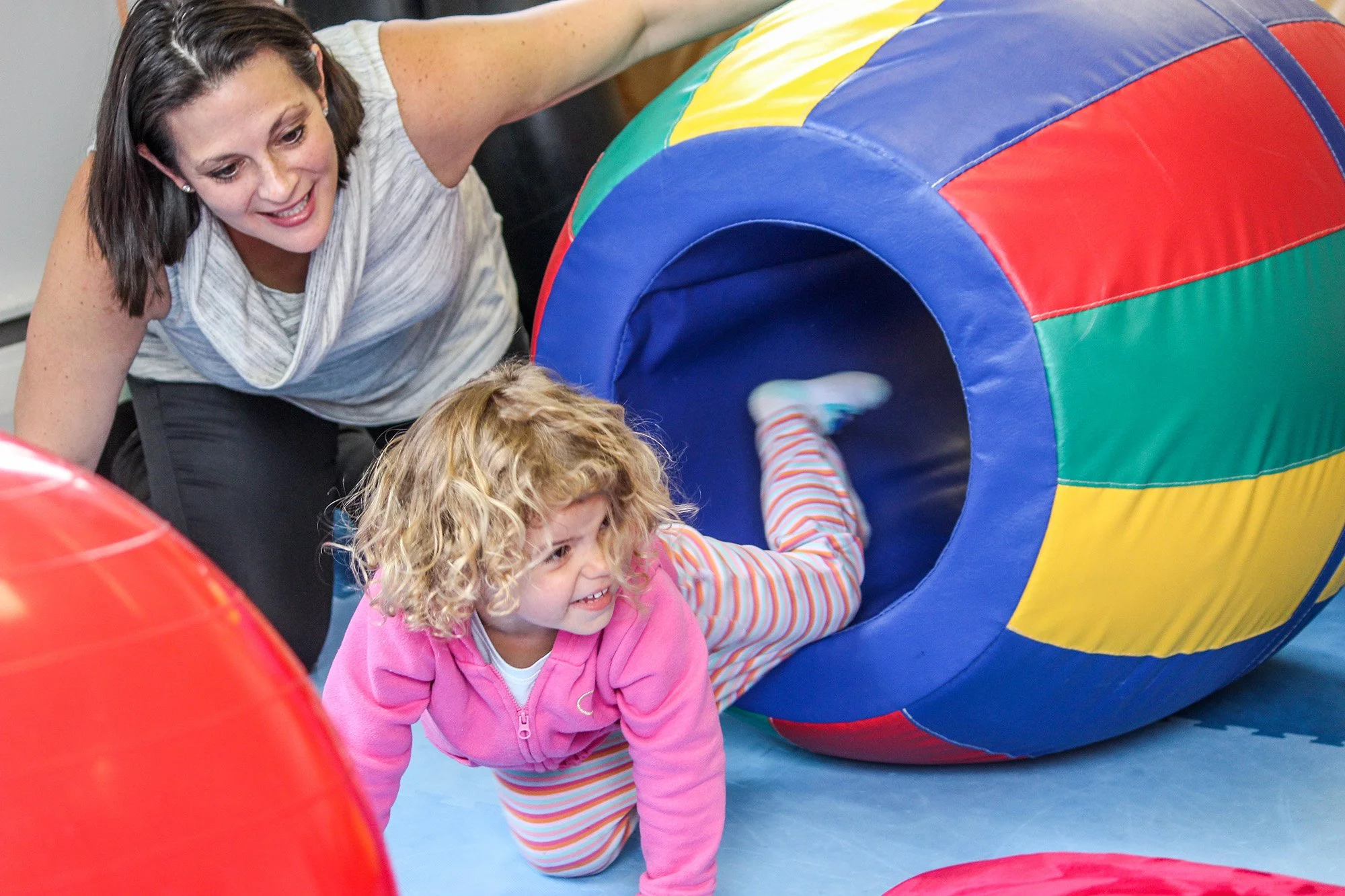
Our Social Motor Skills Dyads for Peer Connection and Growth at Baby Steps was born out of the need for children and adolescents to have a safe space to develop motor skills at their pace, while forging social and emotional connections. This ensures that their development is a fully integrated experience! The sessions are deeply rooted in Floortime®, based on the DIRFloortime® model (Developmental, Individual-differences, & Relationship-based) model, which is a relationship-focused approach that encourages children to connect, communicate, and explore their world at their own pace. Our social program brings peers together in a semi-structured yet flexible environment where they can:
Develop gross and fine motor skills through movement-based play
Strengthen communication and collaboration through shared activities
Practice emotional regulation and social problem-solving in natural contexts
Build confidence and friendships in a supportive peer group setting